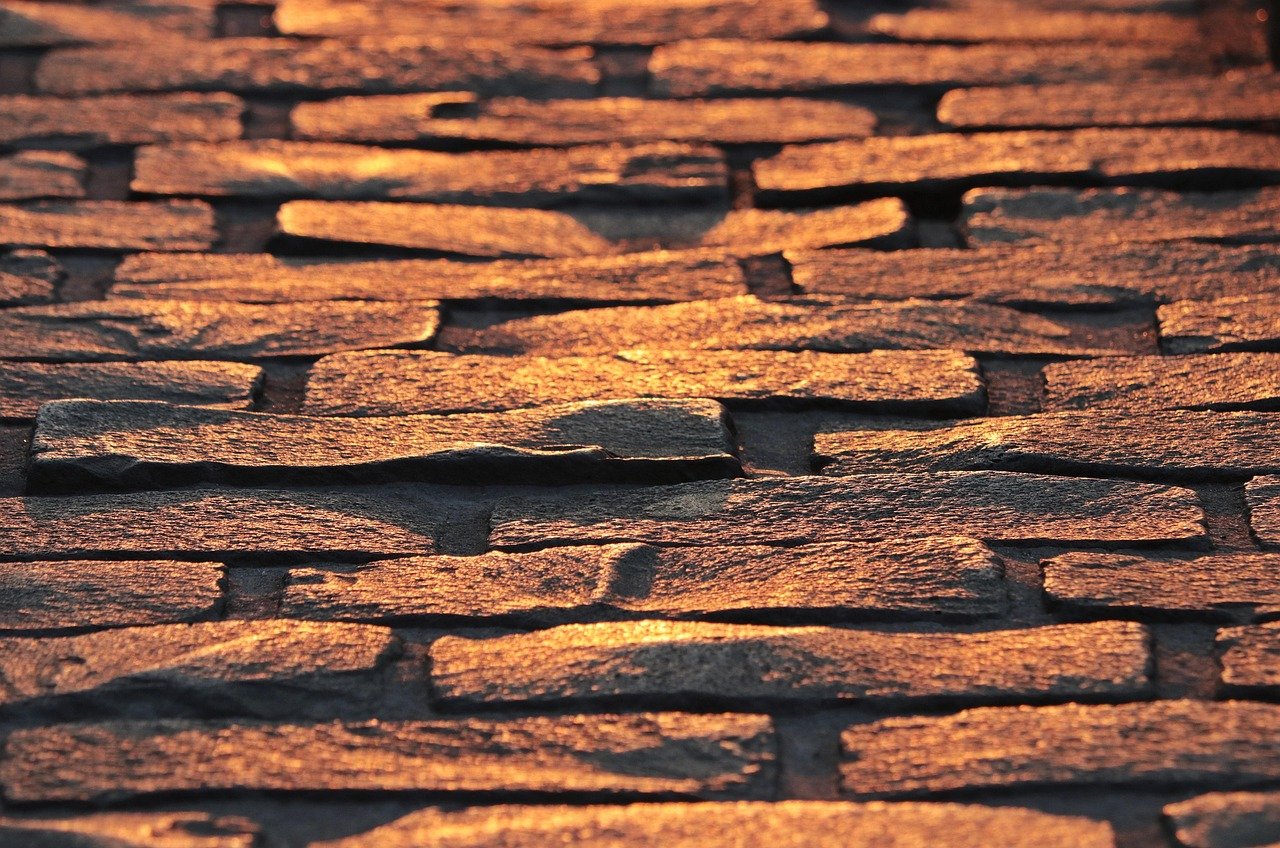
Dry Stone Fences
Dry Stone Fences
The rock fences that define the Bluegrass.
The limestone fences along Fayette County’s pike roads are one of the most recognisable things about the Bluegrass, and they are a genuinely distinct craft — laid without mortar, holding together through friction, gravity, and the way each stone is chosen and set. Repairing one is not the same trade as laying block.
Why they are built dry
A properly built dry stone wall has no mortar to crack, and it drains. Water passes through it rather than being trapped inside, which is precisely why nineteenth-century walls are still standing while mortared repairs made in the twentieth century have failed.
The wall is built in two faces with a hearting of smaller stone packed between them, tied together with through-stones that span the full width, and finished with a coping course on top that locks the whole thing down.
The most common mistake
Repairing a dry stone fence with mortar. It looks like reinforcement and it is the opposite — mortar traps water inside the wall, freeze-thaw does the rest, and the mortared section pushes out while the original dry sections beside it stay put.
The second most common mistake is restacking the face stones without rebuilding the hearting behind them, which gives you a wall that looks right and falls over again in a few seasons.
Kentucky has a real institution for this
The Dry Stone Conservancy is based in Lexington and exists specifically to preserve and teach this craft, including the Bluegrass rock fence tradition. It is worth knowing about if you own a historic fence — for standards, and for understanding what a proper repair looks like.
The fences were built largely by Irish immigrant masons and by enslaved and later freed African American craftsmen through the nineteenth century, and a surviving section is a genuine historic artefact on your property.
What we do
- Rebuilding collapsed and pushed-out sections in the original dry technique
- Removing failed mortar repairs and rebuilding them properly
- Resetting coping courses that have been knocked off
- New dry stone walls and entrance features in the traditional pattern
- Gate posts, pillars, and openings worked into an existing fence line
- Salvage and reuse of the original stone wherever it can be recovered
Common questions
Can you reuse the stone that fell?
Almost always, and we prefer to. Original weathered limestone is what makes a repair blend in; new-cut stone reads as new for many years.
Why not just mortar it? It would be cheaper.
It would be cheaper now and it fails. Mortar traps water in a wall designed to shed it, and the repaired section pushes out within a few winters while the dry sections beside it keep standing.
How long does a properly rebuilt section last?
The originals have stood well over a century. A correctly rebuilt section is on the same order — this is one of the few repairs where the honest answer is genuinely generational.
Can you build a new wall to match an old one?
Yes. Matching the local stone, the course pattern, and the coping style is the whole art of making new work sit alongside old.
New: Dry Stone Fence Repair Cost — why this is quoted per project, and whether restacking or a full hearting rebuild is the right fix.
Related: stone veneer and hardscapes · retaining walls · historic restoration. Back to Lexington Masonry Pros.
Lexington Masonry Pros · Serving Lexington, Nicholasville, Georgetown, Versailles & Fayette County, KY · Call or text (859) 310-1209
Last updated August 2026