Historic Restoration
Historic Restoration
Older brick needs a gentler hand than modern brick.
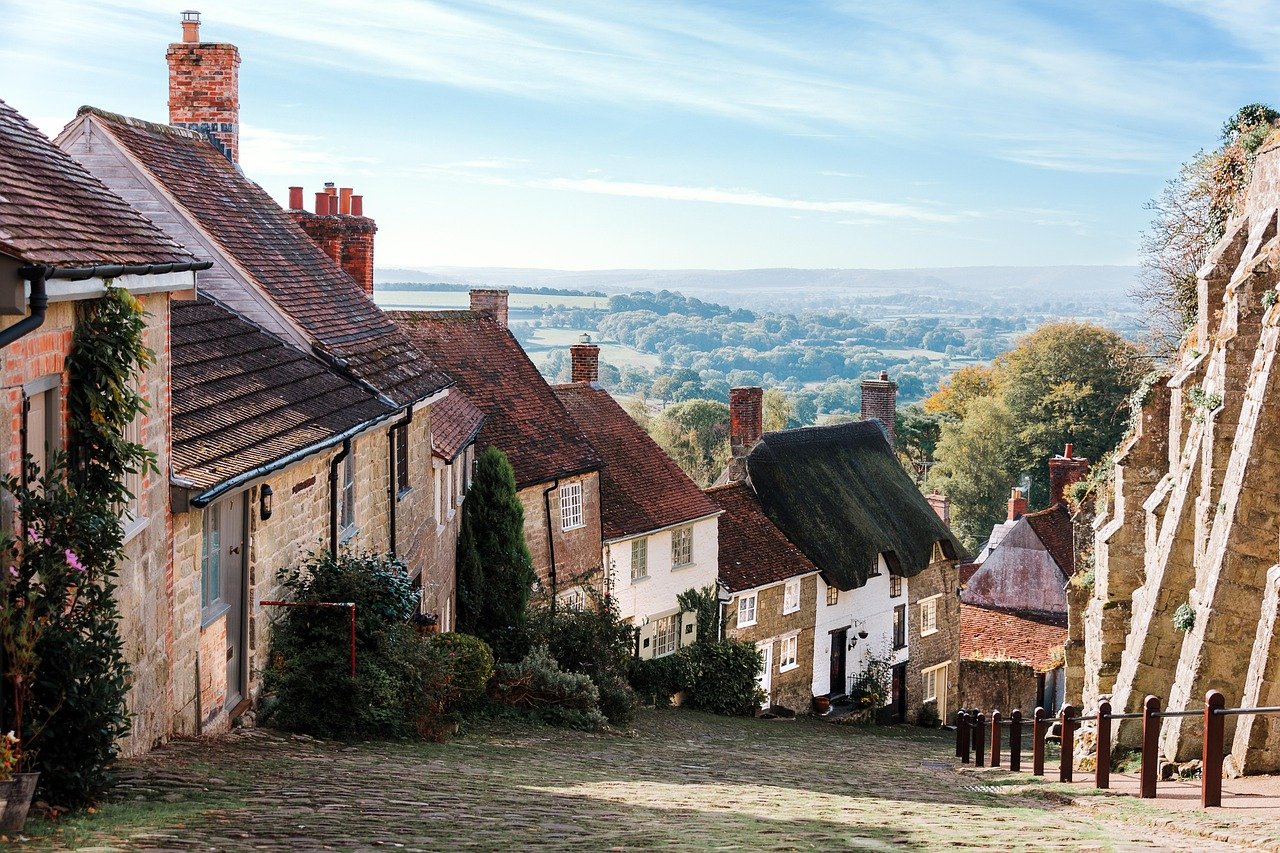
Lexington has a lot of genuinely old masonry — Gratz Park, the streets around downtown, the older sections of Chevy Chase and Ashland Park, and farmhouses across Fayette County. Restoring it well means accepting that the materials behave differently from modern ones and that most modern products will damage them.
Soft brick, soft mortar, and why it matters
Historic brick is softer and more porous than modern brick, and it was laid in lime mortar deliberately weaker than the brick. That combination lets the wall breathe and lets moisture escape.
Repoint it with hard portland mortar and moisture that used to leave through the joints leaves through the brick face instead, taking the face with it. This is the single most damaging thing routinely done to historic masonry, and it is done constantly.
Cleaning is where irreversible damage happens fastest
Sandblasting historic brick removes the fired outer skin, which is the hardest and most weather-resistant part of the unit. Once gone it never comes back, and the wall absorbs water thereafter.
High-pressure washing does a milder version of the same thing. Appropriate methods are the gentlest that will work — low pressure, appropriate detergents, and patience. The NPS Preservation Briefs cover cleaning and coating masonry directly, and they are the standard the field works to.
Do not seal historic masonry
Waterproof coatings on historic brick trap moisture inside the wall. The water still gets in — through the top, through failed flashing, from below — and now it cannot get out, so it freezes inside the brick and spalls it from behind.
The proper answer is nearly always to fix where water is entering rather than to seal the surface it exits from.
Work we do on older buildings
- Repointing in lime-based mortar matched to the original
- Brick replacement using salvaged period units
- Rebuilding historic chimneys and parapets
- Stone sill, lintel, and threshold repair
- Gentle cleaning appropriate to the substrate
- Structural crack repair and rebuilding of failed sections
Common questions
Should I sandblast my old brick house?
No. Blasting removes the fired skin of the brick permanently and makes the wall absorb water. It is the classic irreversible mistake on historic masonry.
Should I seal or waterproof historic brick?
Generally not. Coatings trap moisture inside the wall and cause spalling from behind. Find and fix the water entry point instead.
Can you match a hundred-year-old brick?
Often, using salvaged period brick, which matches far better than anything currently manufactured. Colour and texture matching is a large part of what makes restoration work look right.
Is lime mortar really necessary?
On soft historic brick, yes. Using hard modern mortar transfers stress into the brick and spalls the faces — the exact damage the repair was meant to prevent.
Related: repointing · dry stone fences · chimney rebuilds. Back to Lexington Masonry Pros.
Lexington Masonry Pros · Serving Lexington, Nicholasville, Georgetown, Versailles & Fayette County, KY · Call or text (859) 310-1209
Last updated August 2026